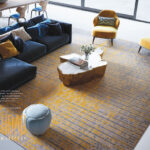
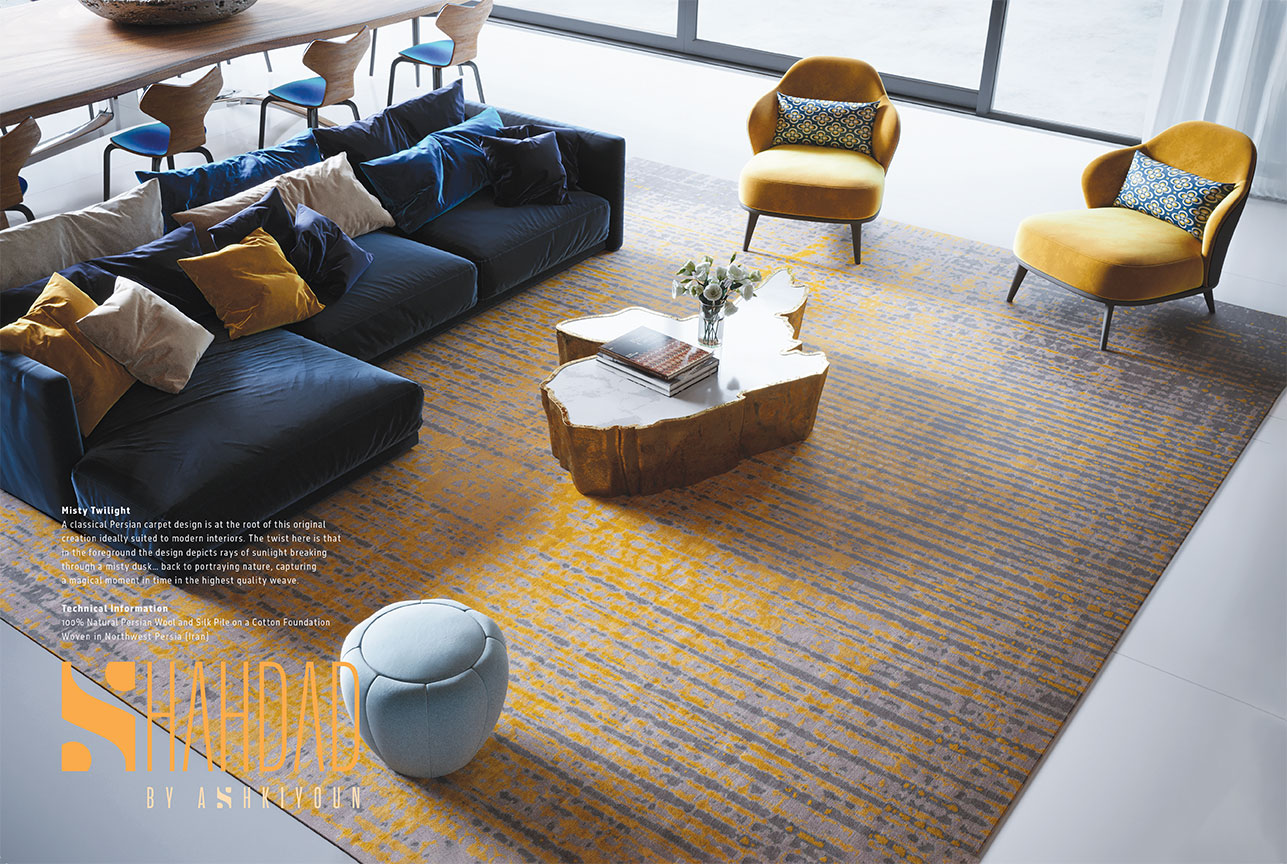
The established Iranian company Ashkiyoun is entering the European and international markets with its new brand Shahdad, offering hand-knotted carpets of very high quality produced according to customer specifications. The designs show influences ranging from lightly to heavily modern. From October to December Shahdad presented a selection of its carpets at Schick-Stephan Teppiche & Trends, a retailer in Karlsruhe, also holding an exclusive evening event for a special group of customers together with Claudia Schick-Stephan. Carpet! Magazine talked to the company’s Managing Director Mohammad Ashkiyoun and Marketing Director Mahdi Hosseini.
Carpet! Magazine: Persian rugs are intrinsically bound up with tradition. But the Shahdad by Ashkiyoun brand demonstrates how there is a lot of dynamism and creativity in the industry. What is your design philosophy?
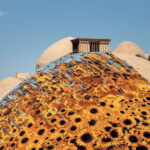
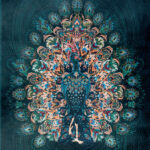
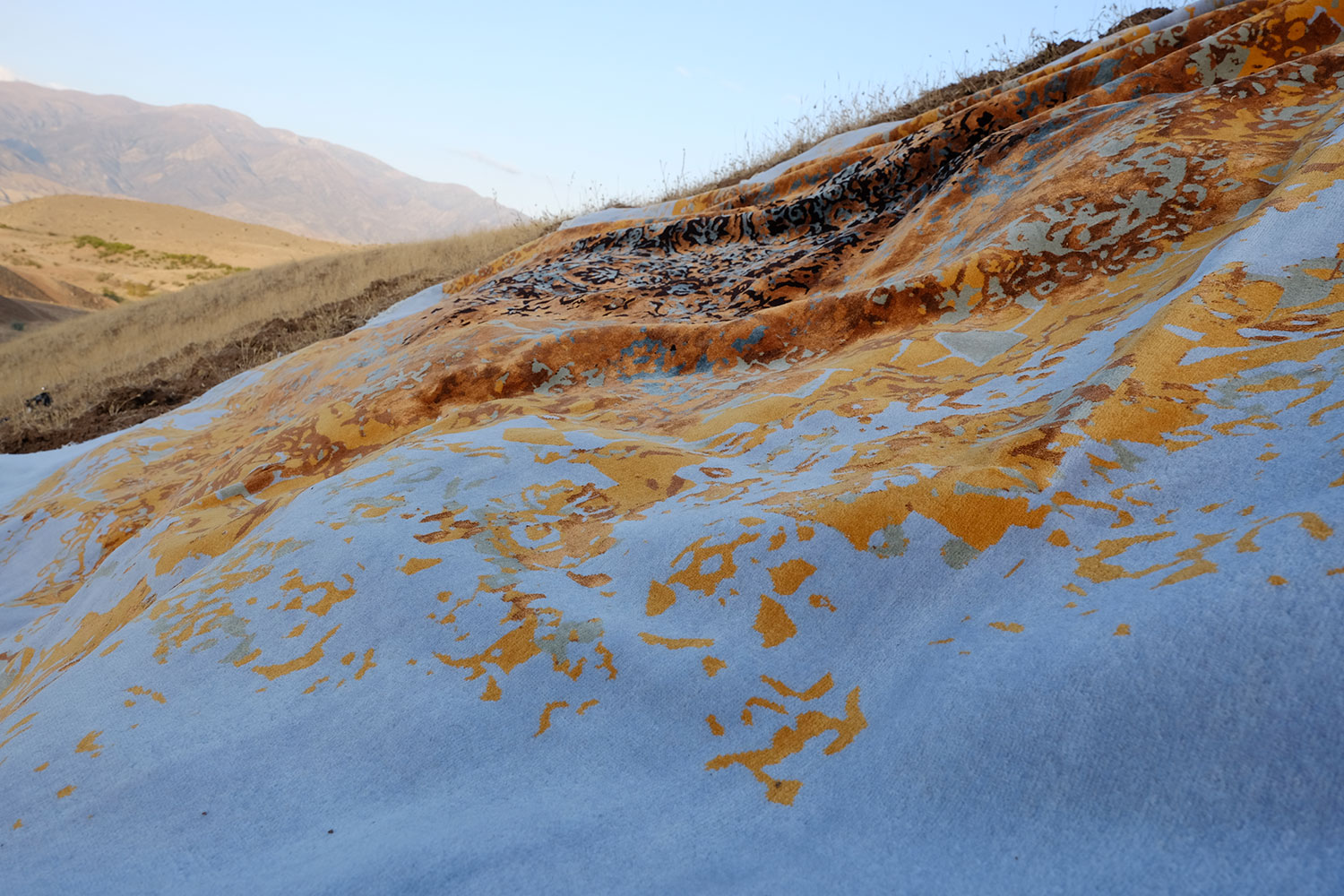
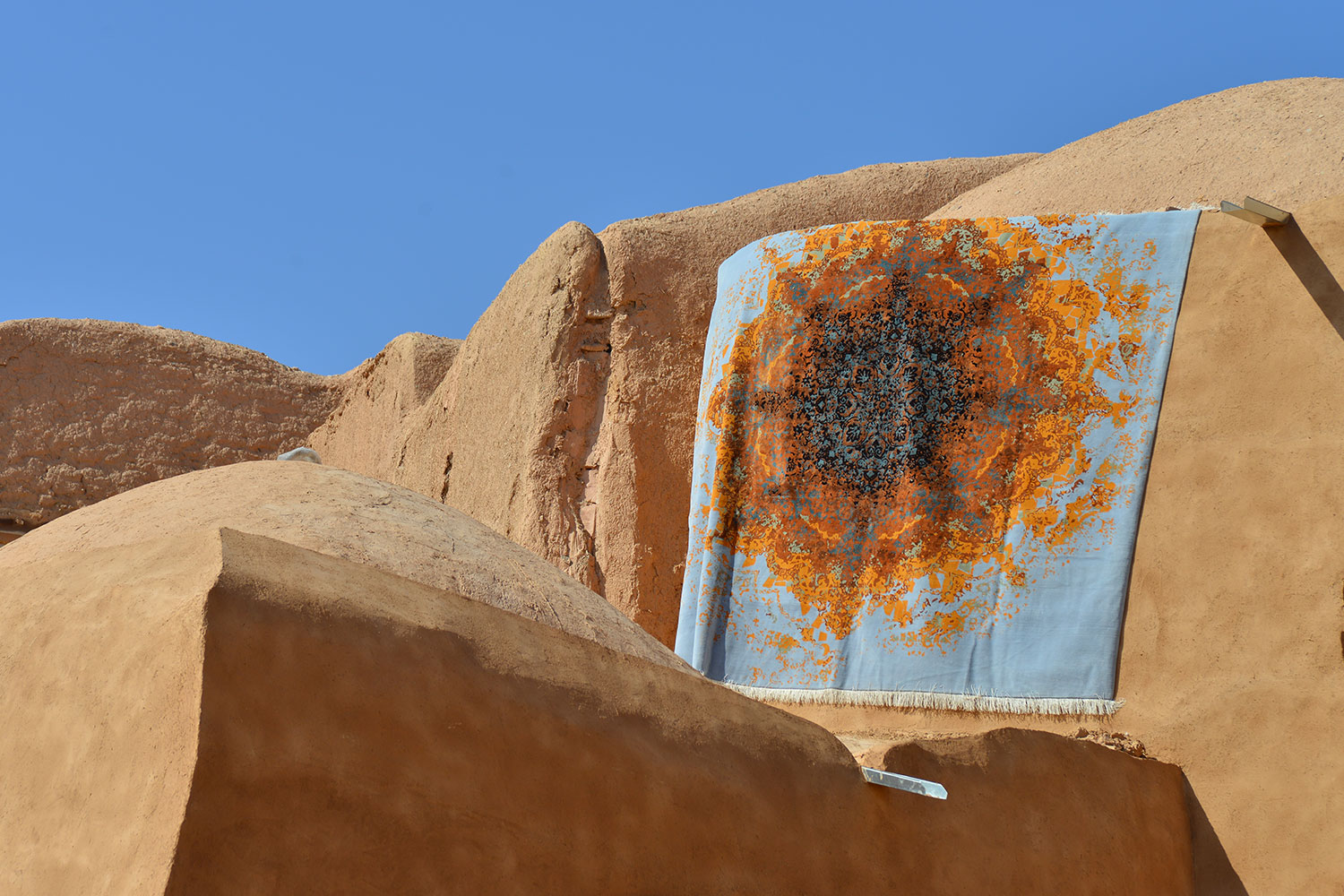
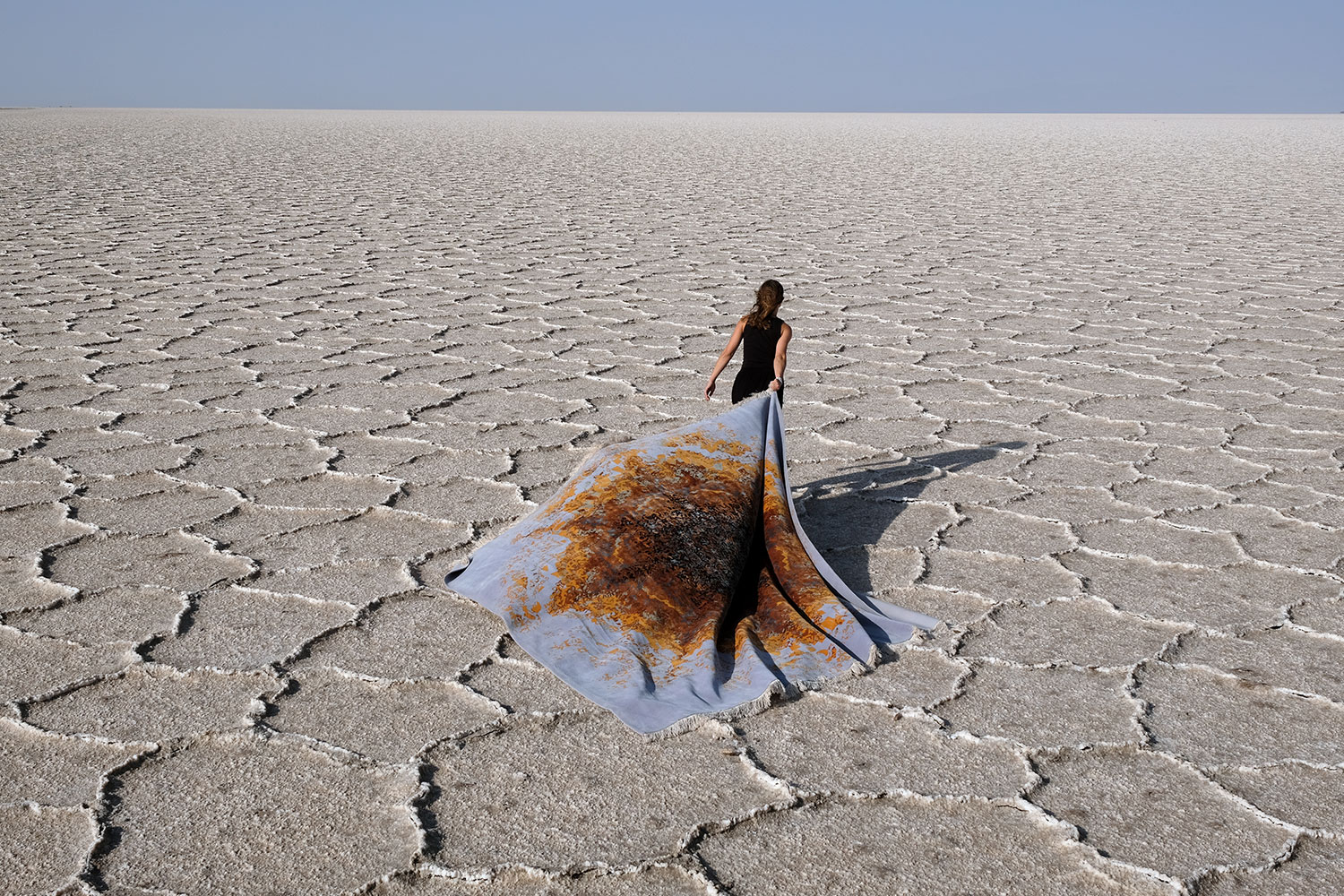
Mahdi Hosseini: Shahdad was conceived as a highquality, hand-crafted avant-garde collection that includes some modern designs while remaining firmly rooted in Persian culture. There are three categories defining the product spectrum, the first of which is rugs with traditional Persian patterns in a new look, such as with modern colours. The second category is “Transitional”, in which classical Persian pattern elements are reinterpreted. And the third category consists of modern designs, like imaginative patterns reminiscent of Persian landscapes and graphic compositions inspired by Iranian architecture.
Carpet! Magazine: And the carpets are all Persian and made in Iran.
Mohammad Ashkiyoun: That’s right, without exception. You can tell, too, looking at them. Each one of our carpets, however modern or abstract a design it may have, will always reveal its Persian roots on closer inspection. To us it’s important to offer genuine Persian rugs with soul where the connection to their origins remains preserved – rather than just a copy of a foreign pattern. The Persian rug is the mother of all carpets, and there was always a deeper meaning to all of the patterns and decorative elements. Accordingly, we at Shahdad see ourselves as cultural ambassadors charged with a responsibility to transport feelings, traditions and beliefs. In a very personal way, with no mass production. That is the difference.
Carpet! Magazine: How are Shahdad carpets made?
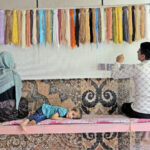
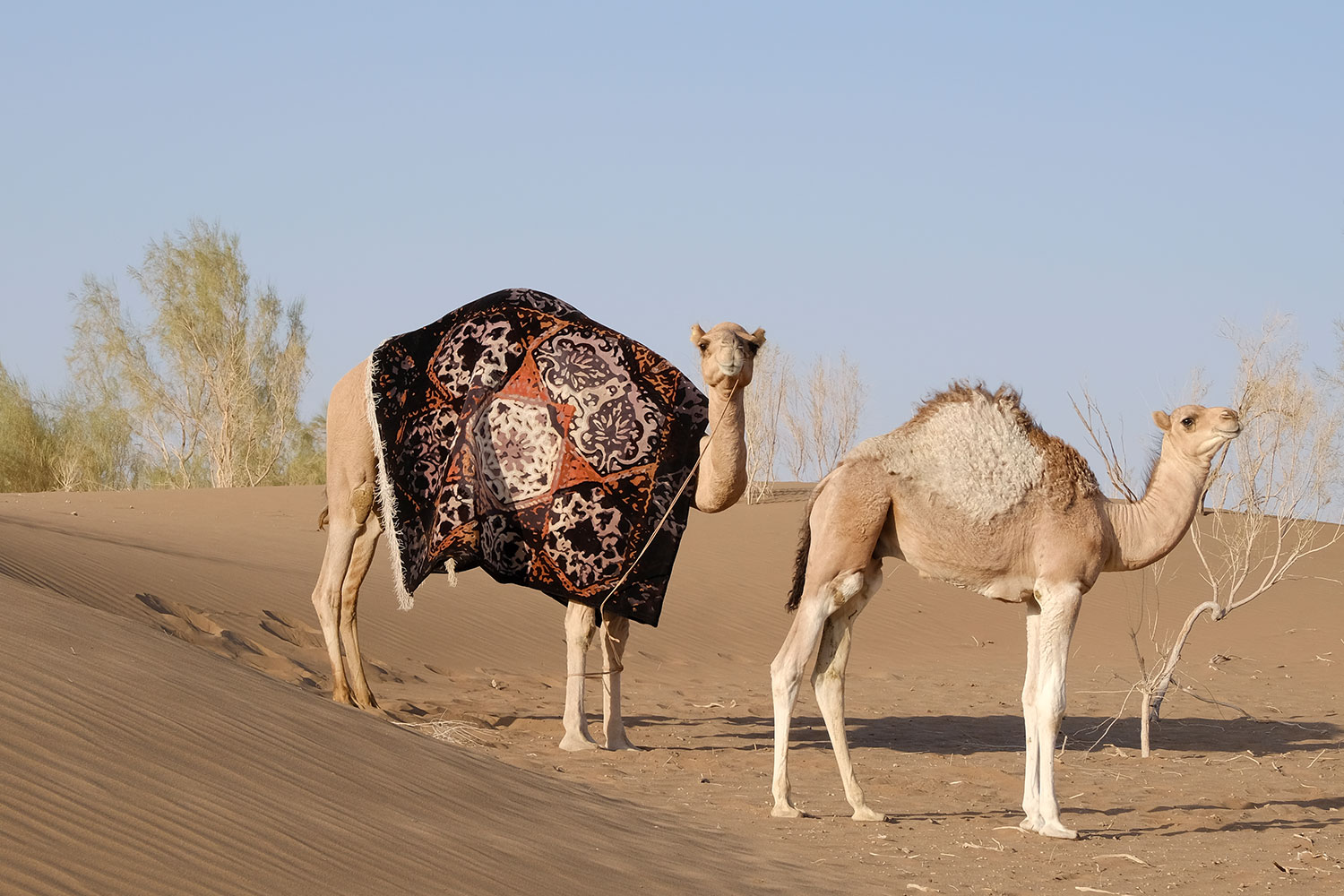
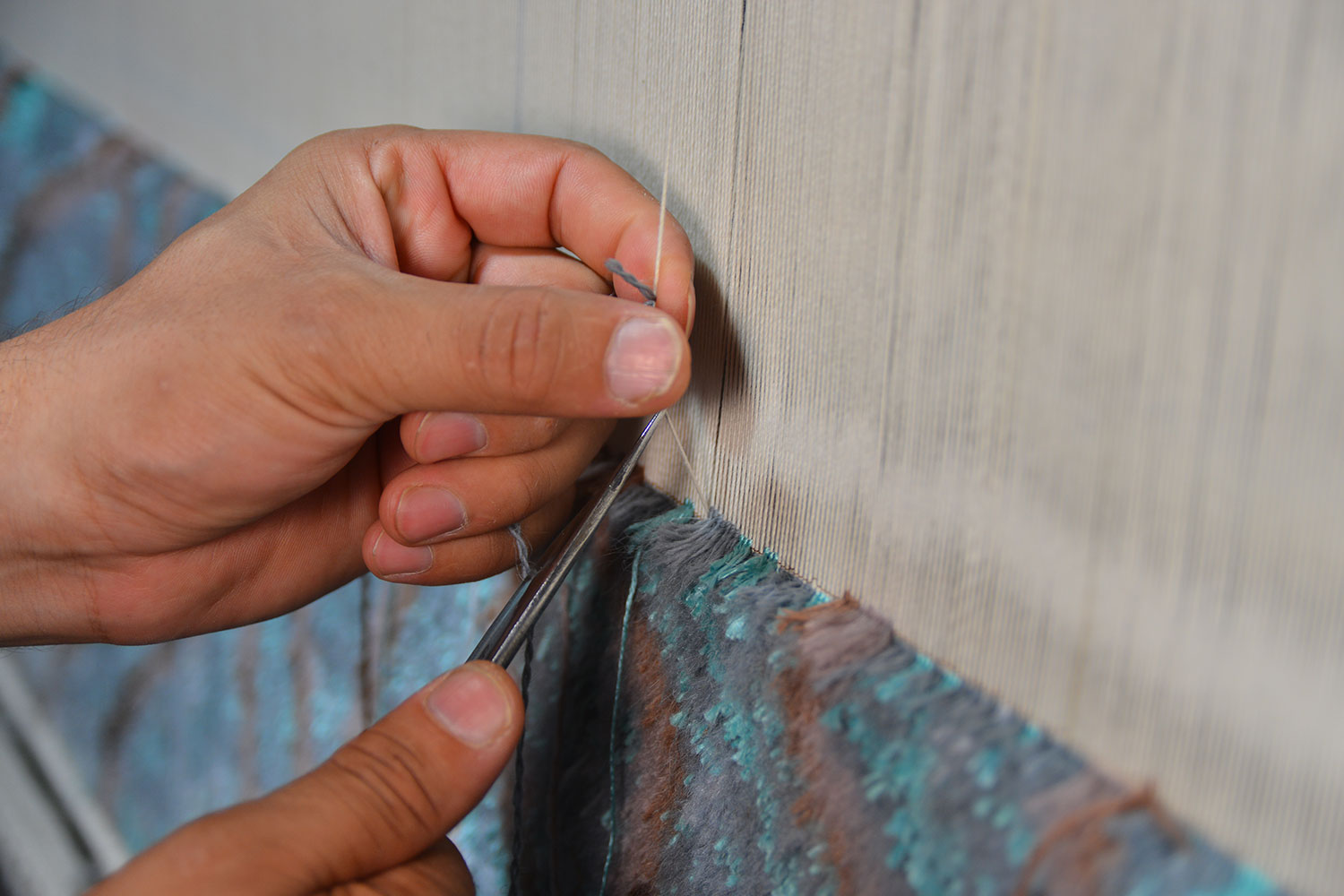
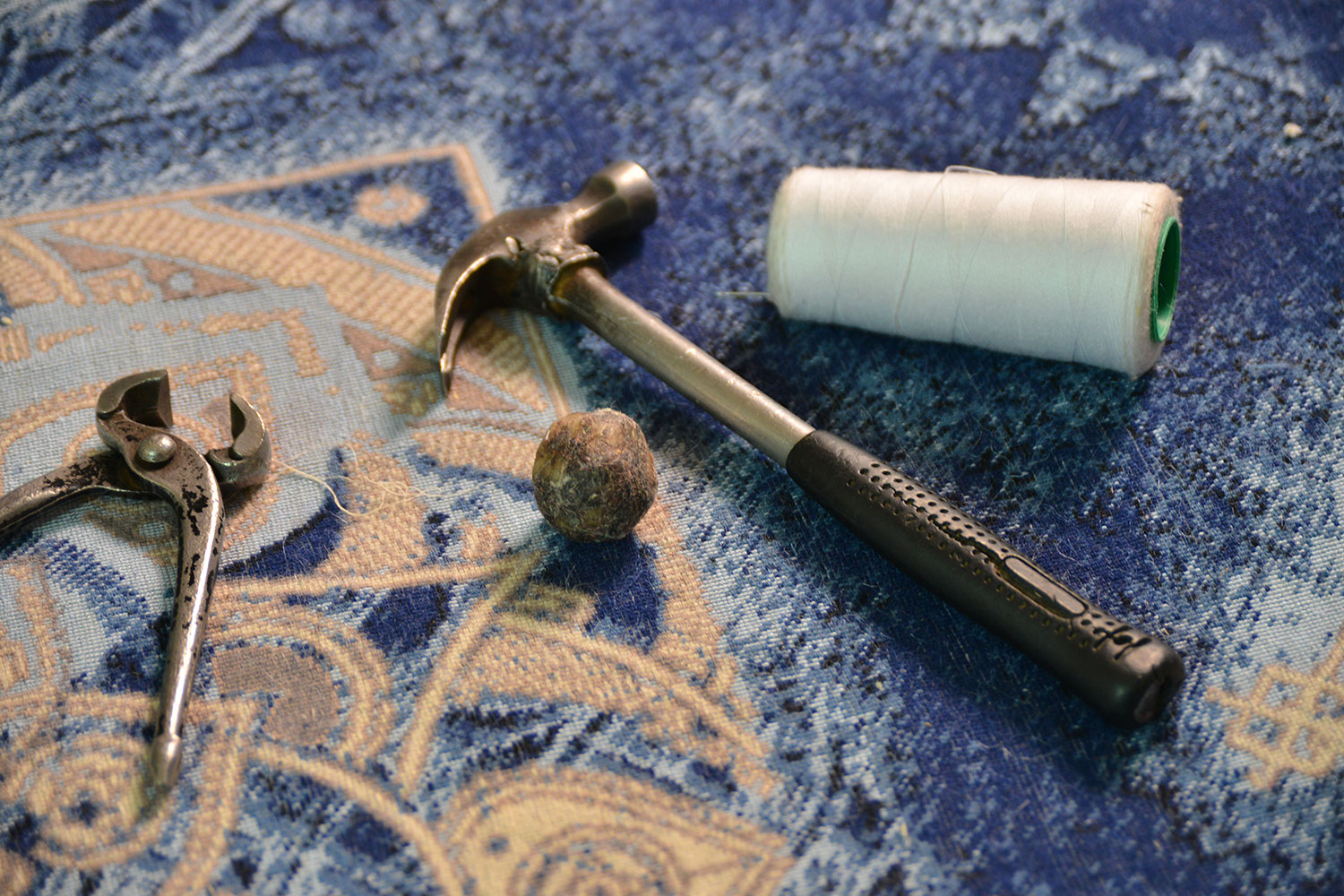
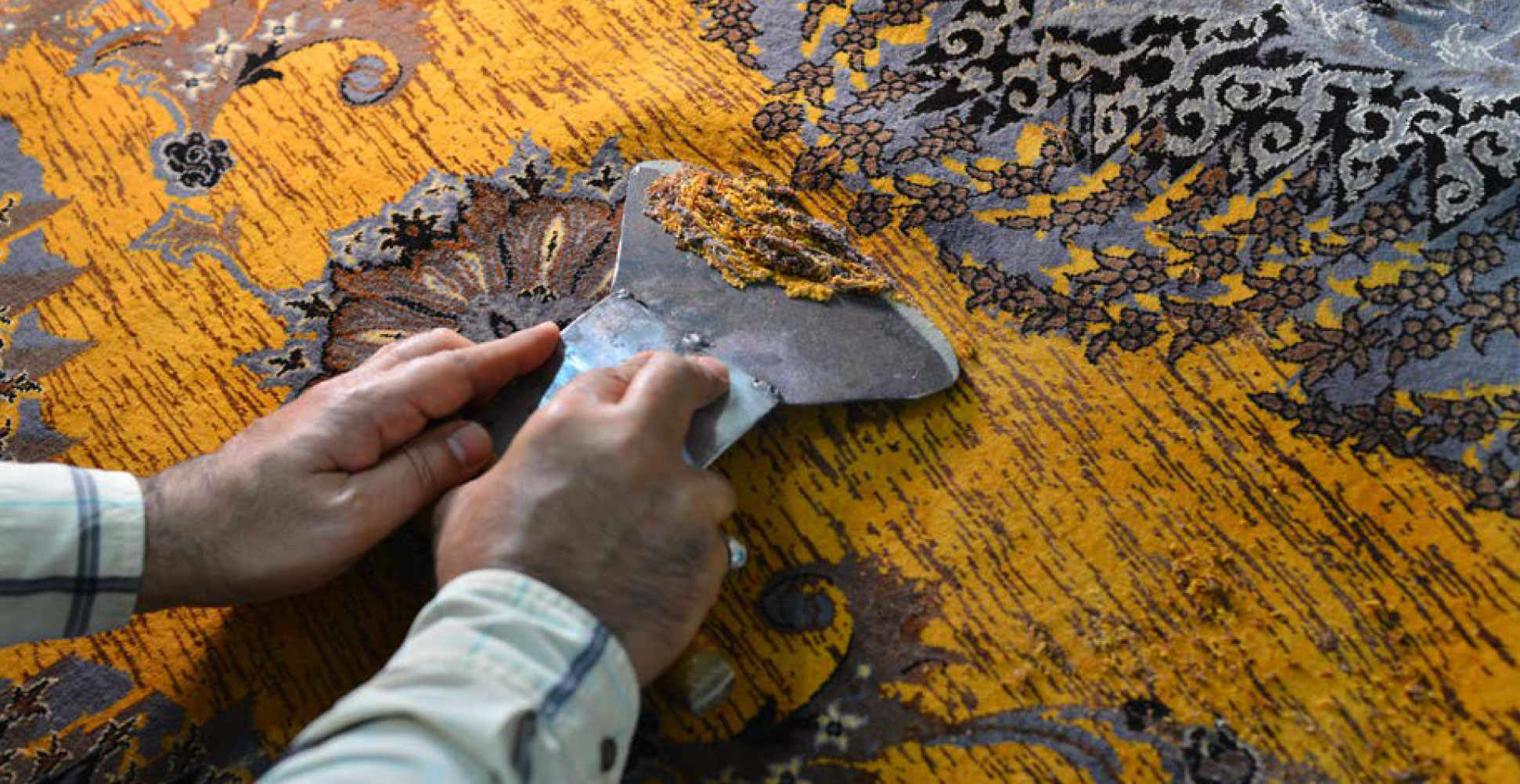
Mahdi Hosseini: All our carpets are knotted with very high-quality plant-dyed Persian wool and natural silk, very, very finely in some cases, with a million knots per square metr, or more. The wool we use is the highest-quality wool in the world. Our artisans use wools matched to the carpet type or wool blends with specific properties. Wool from the mountains is different, of course, from wool from the Shahdad Desert in central Iran – a historically significant region that was the inspiration for our brand name,
incidentally. Wool from the Shahdad Desert is traditionally used in Kerman rugs as well, which are said to improve in quality over time as the wool softens through use, letting the colour harmonies emerge with ever-greater beauty. It’s like in the Hollywood movie The Strange Case of Benjamin Button, with Brad Pitt, where the main character looks younger and better the older he gets. Our carpets are kind of like “Benjamin Button” carpets.
Carpet! Magazine: The carpets do exhibit great differences, in their designs certainly but also in pile height, knotting technique, knot density and material.
Mahdi Hosseini: That’s right, and each one tells its own story of its place of provenance, being knotted accordingly. Places like Azerbaijan, Farahan or the Bidjar area, where they make full-pile carpets of great durability.
Carpet! Magazine: The designs are not exclusively from the respective provenances, as they are modern interpretations by Shahdad.
Mahdi Hosseini: Everyone on our team of more than ten designers in Iran has to be knowledgeable about the roots and origins of the different carpet
provenances. Multiple designers work on different collections in parallel, using e-design software in some cases, while for other concepts and designs,
the patterns are hand-drawn. We also work with international consultants for the different countries and regions where we market, because carpet tastes are different in Europe than in Japan, for example
Carpet! Magazine: You are focusing intently on Europe right now, but you have had a German branch in Düsseldorf for some time now.
Mahdi Hosseini: That is to be our base for expanding in the German and European markets. I am currently managing the sales office, and a showroom is to be created in the medium term. We are going to be focusing on a niche market for our avant-garde carpets consisting primarily of smaller retailers specialising in very upscale, high-quality products. It will take time, and we will take the time to achieve success. After all, our carpets require a certain amount of commentary if not education. They are purchases for life … and beyond … made of high-quality natural ma-
terials, sustainably produced under environmentally friendly and fair conditions. We pay fair wages and ensure that no child labour is involved, so the children can go to school. This is our red line. We also believe that our carpets are environmentally friendly, not just because we only use products from renewable natural resources, but also because we create job opportunities for the people who live in the area. Especially in the Zagros Mountains, we teach weaving and train people in small villages. To survive there, many have cleared parts of the forests to sell the wood. We offer an alternative to that, hiring them as weavers for fair wages, which is an indirect way of protecting the environment and fulfilling our social responsibility.
Carpet! Magazine: That takes us to the topic of social responsibility, which appears to be a major consideration.
Mohammad Ashkiyoun: Yes, we fund the education of weavers’ children, we also build playgrounds and sports fields, and support the development of good infrastructure in the weaving regions. We believe that is the responsible and right way to operate, but even if we didn’t we would ultimately benefit as producers anyway, for fair dealing with our employees and their families creates and further solidifies a bond of trust that lasts down through generations. Many of our weavers, their parents worked for us too, for Ashkiyoun. And people are much more motivated, loyal and open to dialogue – respecting our new design ideas for example – when they feel good about working for the company.
Carpet! Magazine: It is known to be quite difficult, after all, to introduce a new look to tradition-steeped Iranian weavers. They are very proud people, I am told, with their own ideas about how things should be done.
Mohammad Ashkiyoun: They certainly are that way, and that’s a good thing. But our new, modern designs are greatly appealing to the new generation of knotters, whose way of thinking has changed over time. The Shahdad designs reflect that change quite clearly.