Underlining quality
Iran is world renowned for the exceptional quality of its finest handmade carpets, a subject little known to HALI’s Editor Ben Evans , until a recent award given to Ashkiyoun provided him with an ideal point of orientation
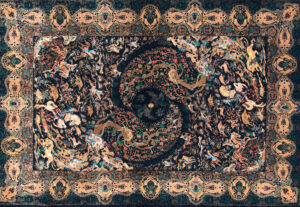
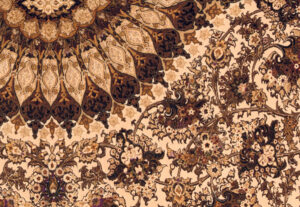
The intricacies of the Iranian rug industry are too complex for most outsiders to understand. The carpets made and consumed within Iran and its near neighbours represent a different aesthetic, and indeed a different cultural narrative, to that understood about modern Persian carpets in the West. Fine new carpets made in Iran are, simply put, an area with which many HALI readers are unfamiliar. I reckon that a visit to the Iran Handmade Carpet Exhibition in Tehran would give one a view into a parallel universe. That having been said, there are points of reference that I can use to get a handle on the particulars of the market, and understand the direction in which the art of fine Iranian carpets is moving. An indication of who are the leading players in the production of fine carpets in Iran was given last month in Qom at the Golden Knot Rashtizadeh Prize.
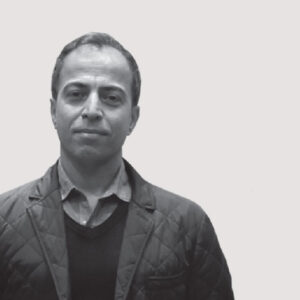
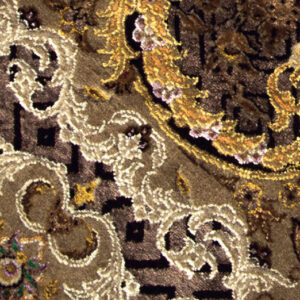
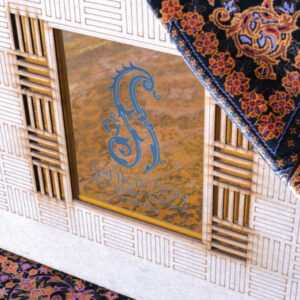
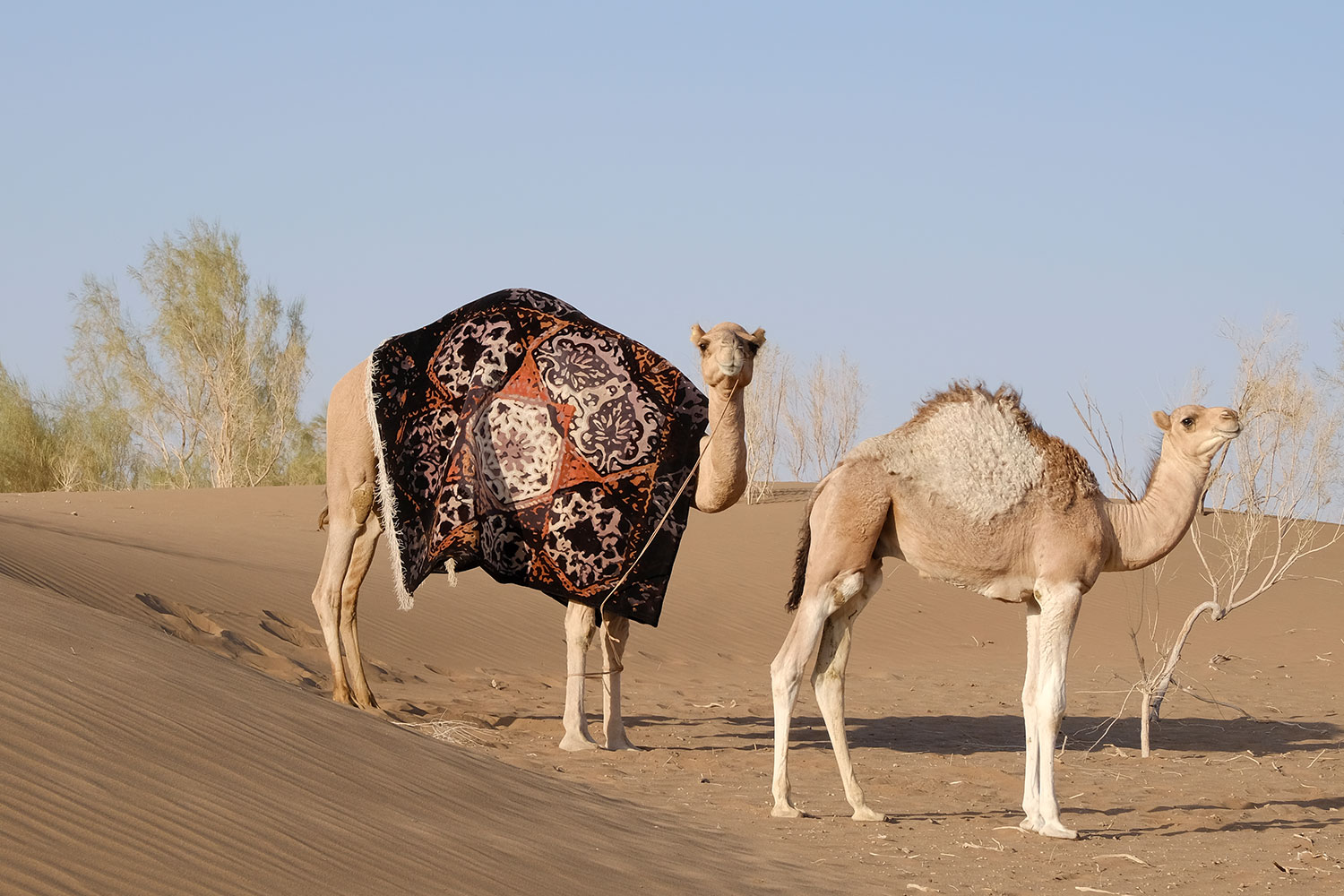
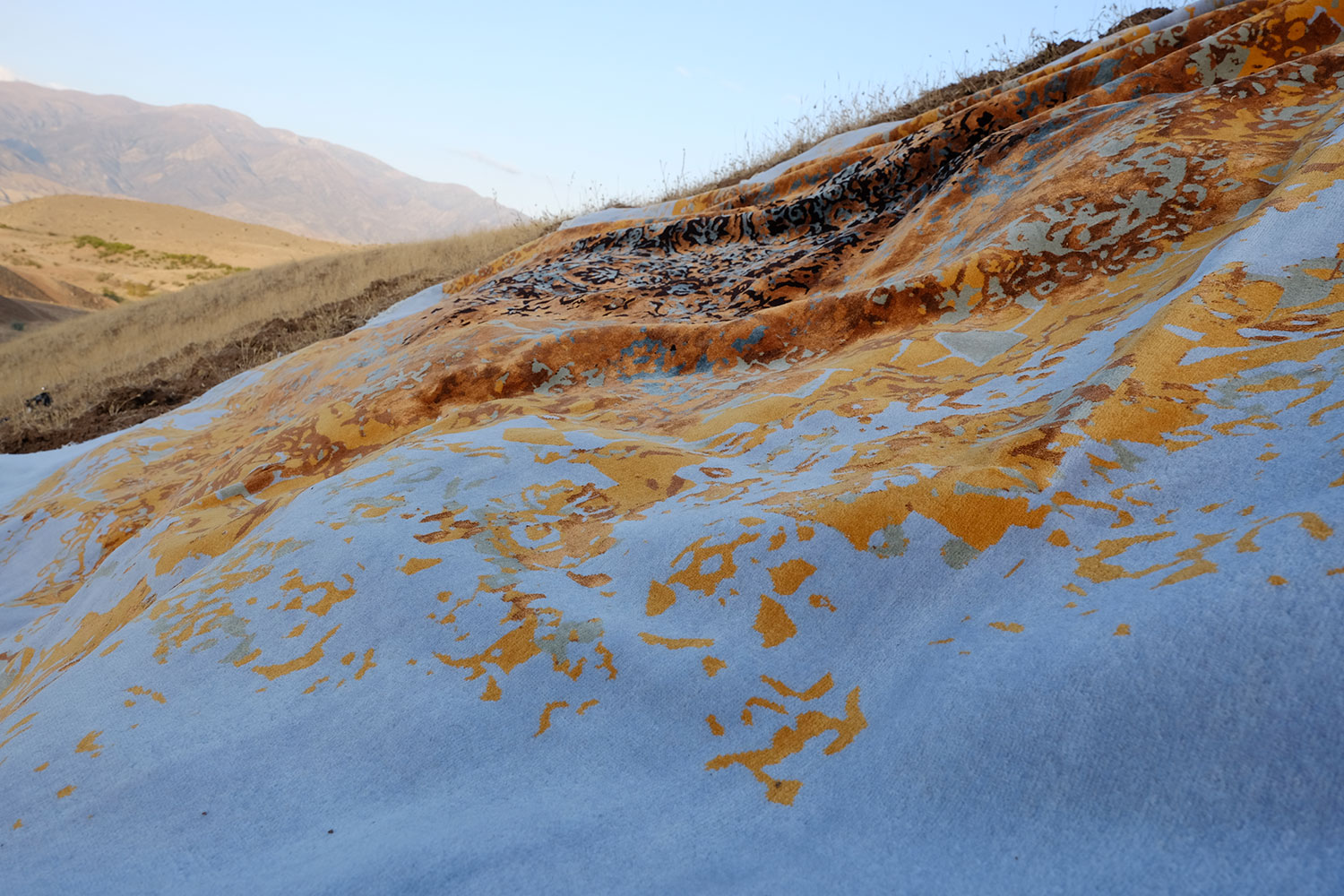
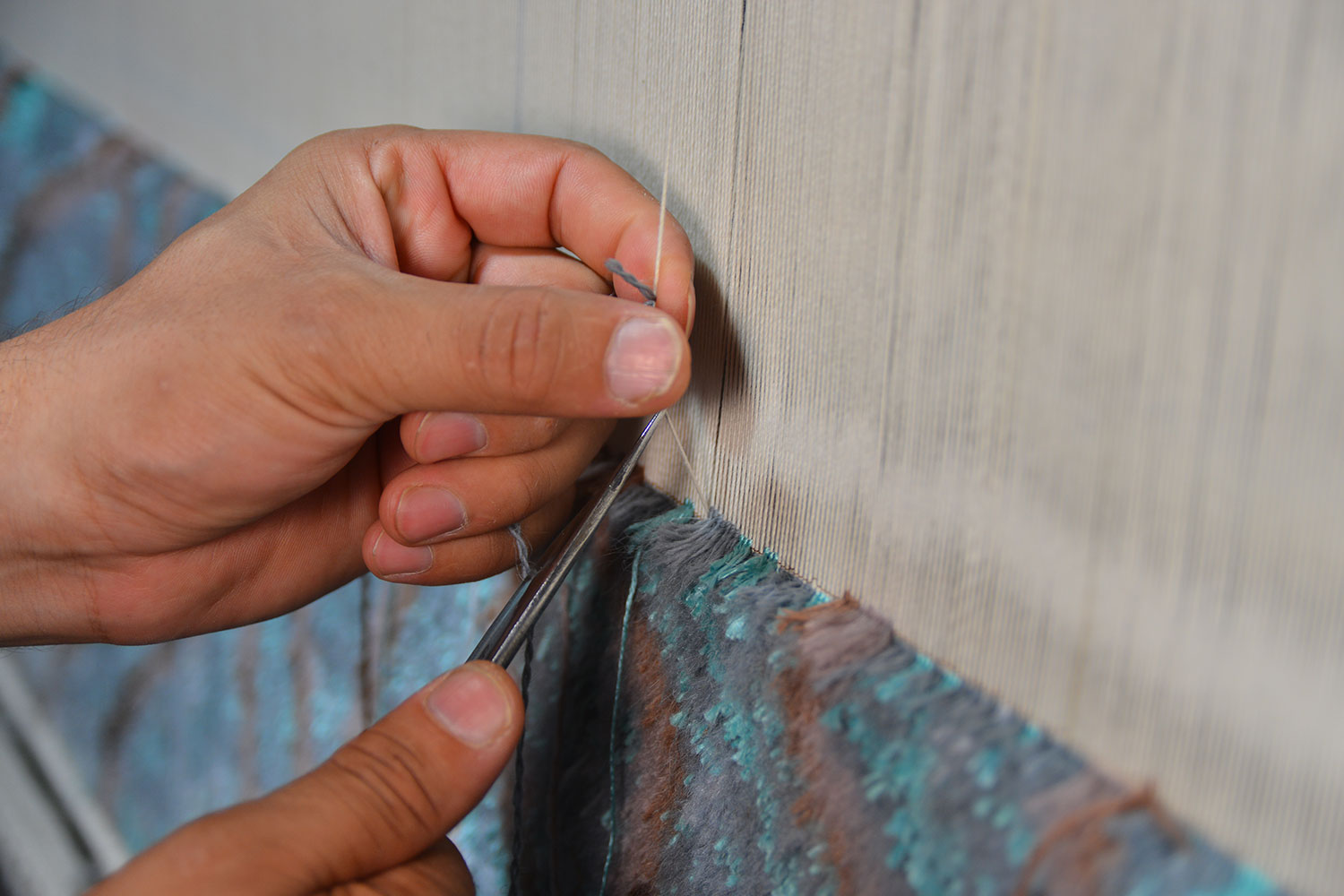
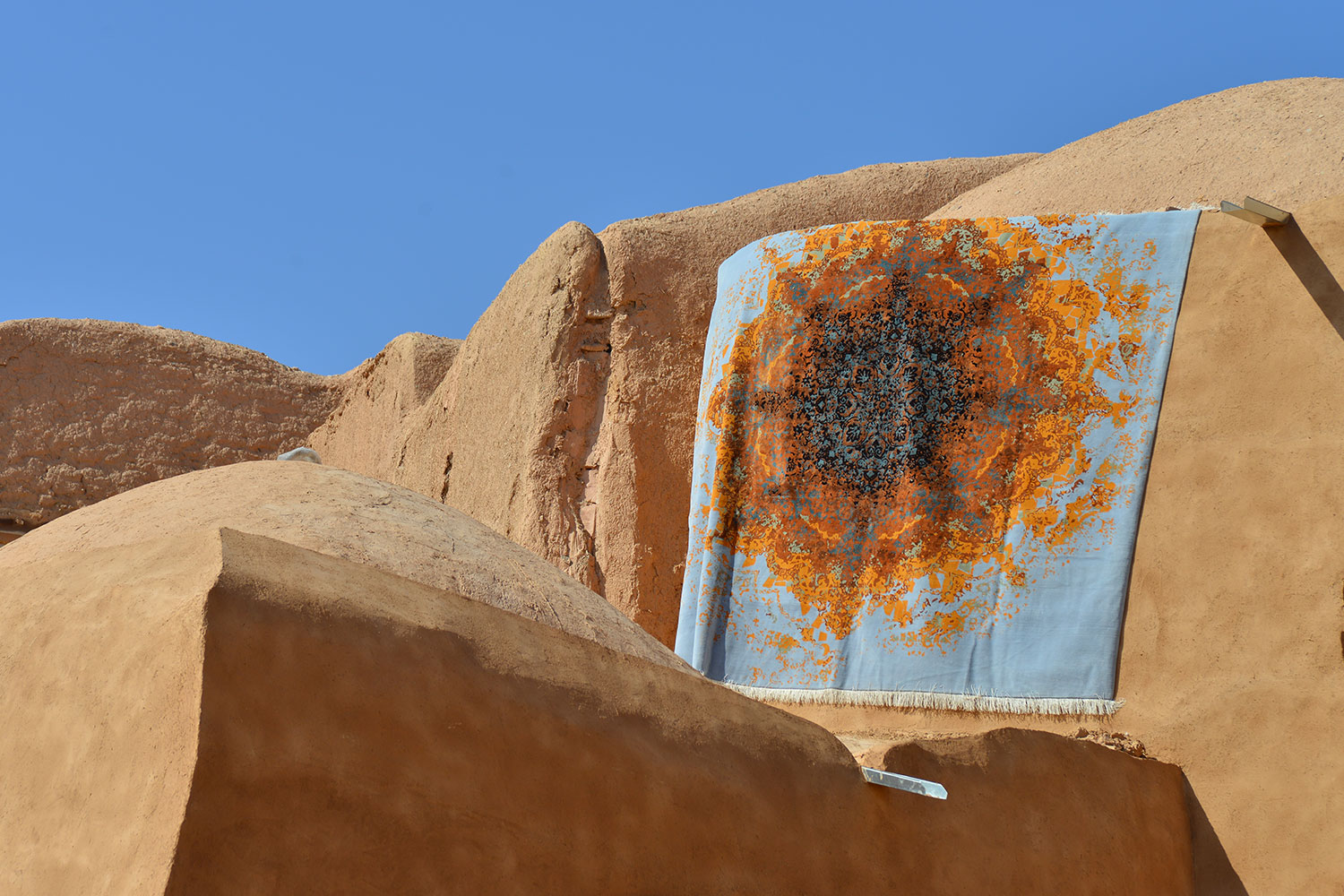
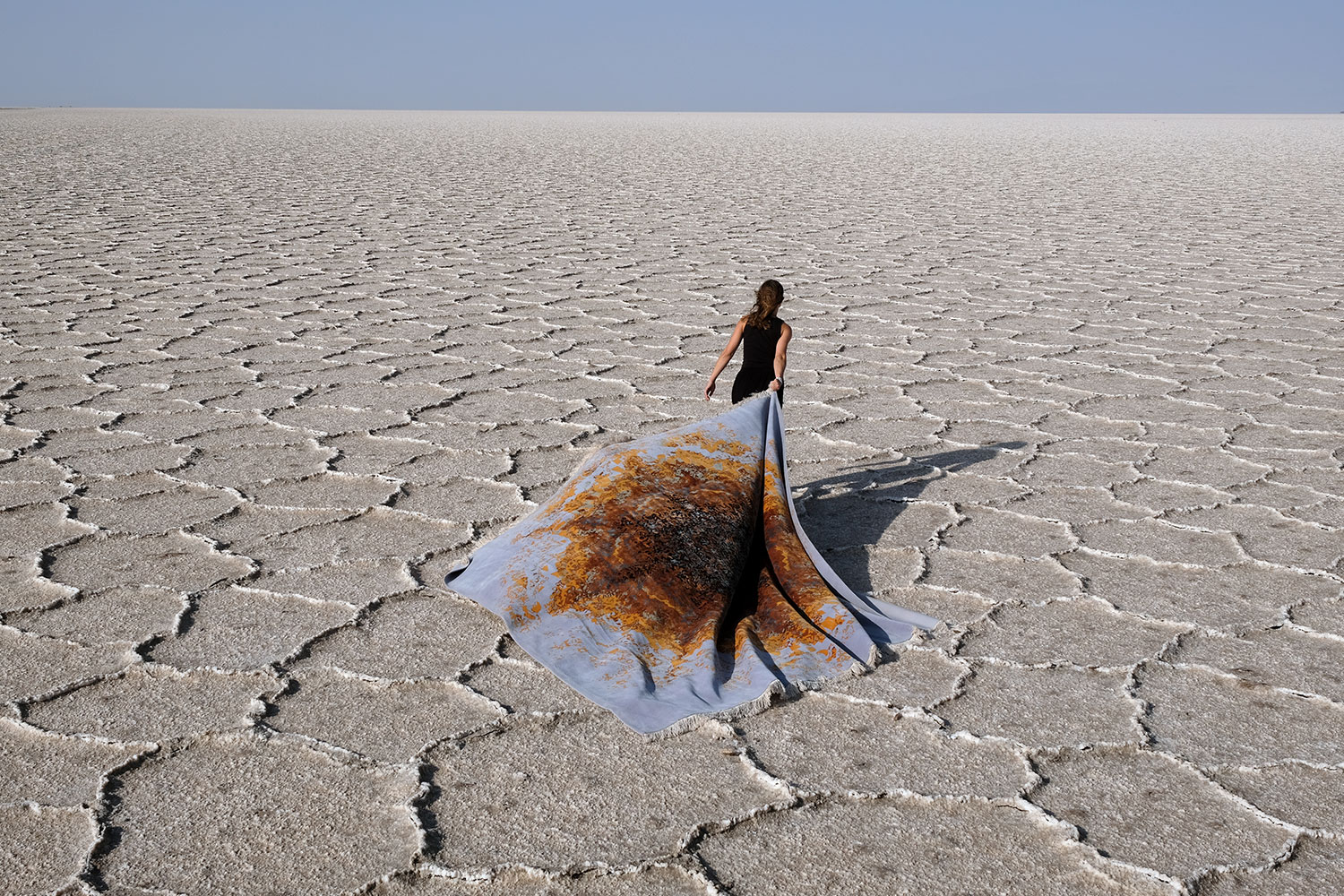
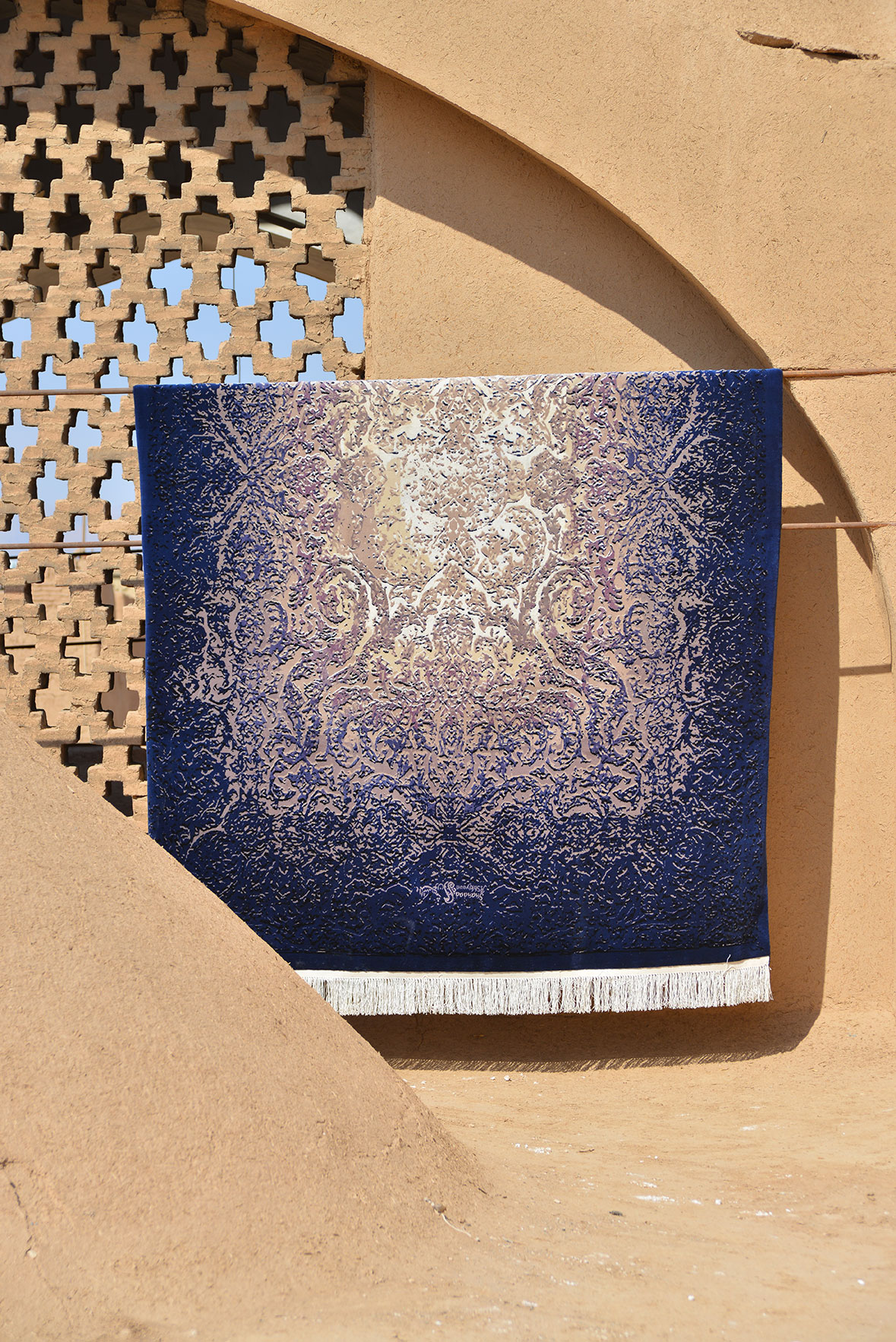
The award was launched three years ago to commemorate the work of Ali Rashtizadeh, who was widely acknowledged to have been the leading carpet designer in Iran in the late 20th century. This year, 2016, a panel of twelve rug industry experts voted unanimously to name Ashkiyoun as the best Iranian producer, for the company’s Jafarnejad brand of silk carpets.The award is significant for a number of reasons: firstly, it acknowledges that Ashkiyoun, a relatively new company only involved in making fine carpets for 26 years—a mere blink of an eye in an industry known for long and well-established family traditions—was moving fine Persian workshop carpets in a new direction; secondly that before launching the company’s new Sahara and Shahdad brands of wool and silk and 10o per cent wool carpets, the three Ashkiyoun brothers had spent almost a year researching the best wool to use under the tutelage of Ali Rashtizadeh; and finally that Ashkiyoun, with two new carpet brands under development, was growing— something that many other high-end rug companies are not—employing more than six hundred people with ten full-time designers and a cadre of ten freelance master designers.It becomes clear during my conversation with Mohammad Ashkiyoun that the award comes at a pivotal moment in the company’s history, as it fully launches these two new brands internationally. While the company’s unique approach to colouration and design has been hugely successful with the firm’s best known silk brand, Jafarnejad, which has up to 13 x13 knots per square centimetre, Mohammad knows that there are potential customers for the company’s carpets at lower price levels—the finest Jafarnejad carpets are the most expensive carpets being made anywhere in the world. The development of the new Sahara and Shahdad lines is aimed more at the Western market; particularly the Americas. While the retail prices for the carpets are much lower than Jafarnejad, the quality and unique colouring that is the signature of the company is still very much in evidence, with the knot density on the wool and silk Sahara carpets still achieving 10 x 10 per square centimetre.
For the fine rugs of Qom, for many years the top echelon weavings of Iran, we can now see a way forward, with them breaking free from the old-fashioned and traditional styles of the 1980s. As we finish our conversation, Mohammad Ashkiyoun enthuses that he sees a bright future for carpet weaving in Iran. Ultimately he hopes to create a ‘maktab’ (academy) to motivate and instruct new designers and weavers. The success of the two new Ashkiyoun brands will act as my barometer for the appeal of the finest Persian carpets in the West, as their futures seem inextricably linked.